The Client is a transportation and logistics company that manages freight sales, shipment operations, customer accounts, and billing across multiple regions and business units. As the business grew, teams adopted different systems and processes, making it difficult to maintain a consistent view of customers, shipments, and revenue
The Challenge: Limited Visibility Across Sales and Operations
Customer, shipment, billing, and sales information was spread across multiple systems. Sales teams often switched between applications to track shipment activity, while reporting processes differed across business units. This increased manual effort and made it difficult to get a reliable view of business performance.
Forecasting was equally challenging. Pipeline information, shipment activity, and revenue data were scattered across various locations, making it challenging for managers to assess performance and plan. This lack of visibility impacted daily operations and long-term strategies.
The Solution: Unifying Sales, Operations, and Finance on Salesforce
The customer and account structure were redesigned to support shipping locations, receiving locations, and billing relationships. Information from diverse systems was made available within Salesforce, reducing the need to switch between applications.
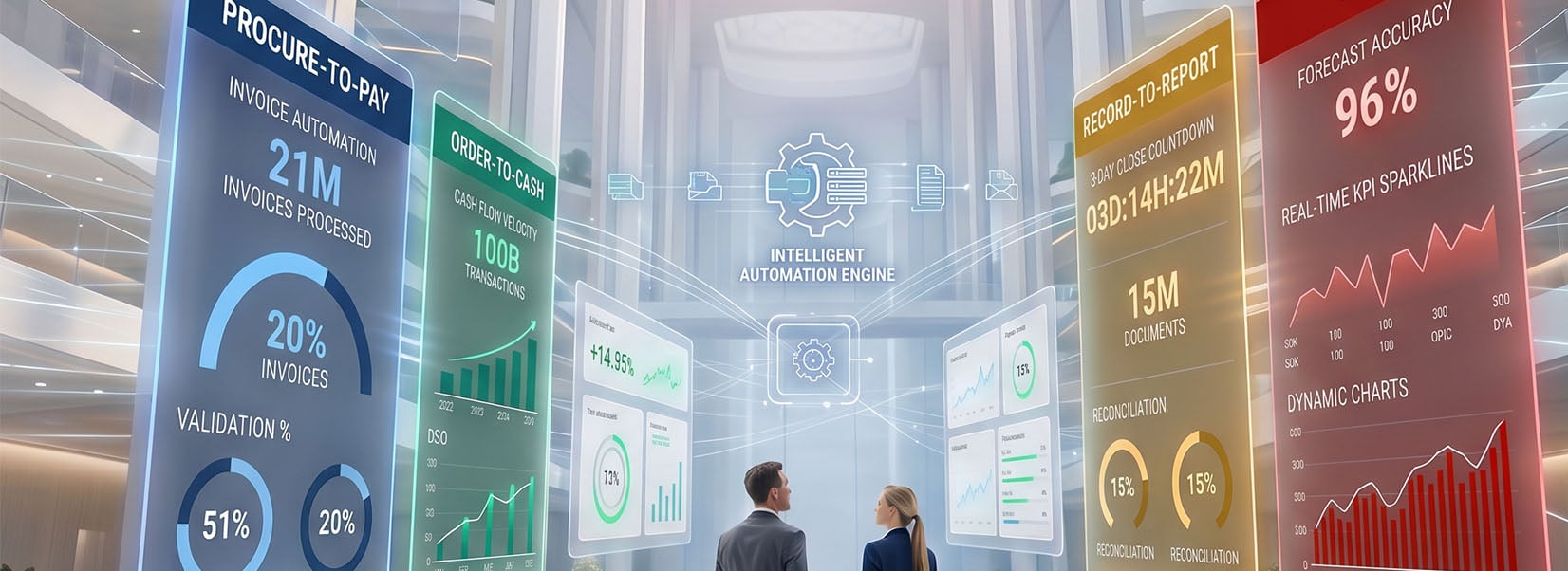
Sales teams gained direct access to shipment status, freight details, and delivery milestones. Dashboards and reports enabled leadership teams with a more transparent view of sales activity and forecasts, while automated synchronization helped keep information consistent across systems.
Key components of the solution included:
Salesforce Sales Cloud implementation across business units
Customer and account model redesign
Integration with transportation and financial systems
Shipment tracking and delivery visibility
Automated data synchronization
Forecasting and executive reporting dashboards
Data quality improvement through cleansing and migration
Scalable platform to support future business growth